First Aid · 5 minute read
Baby Bumped Their Head? What's Normal and What's Not
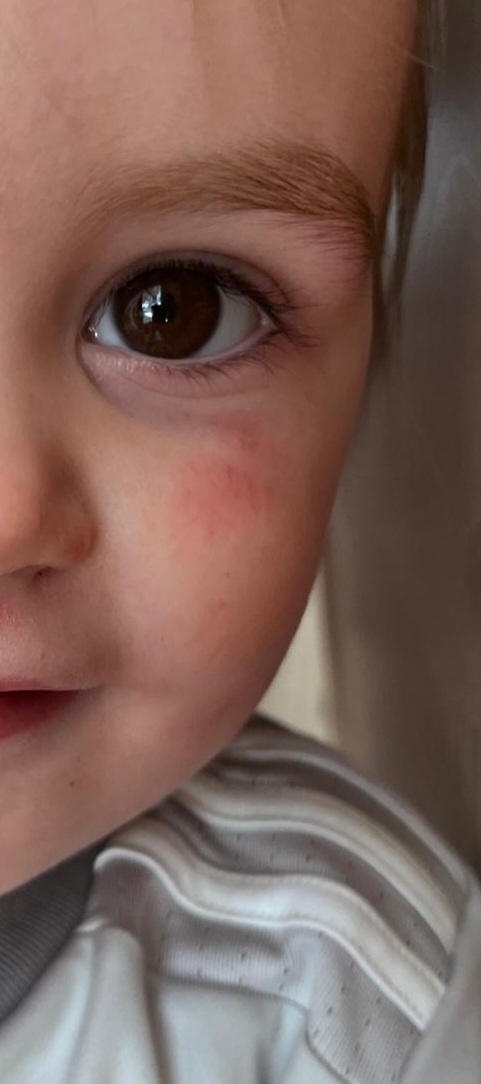
Thud. Loud cry! Your stomach drops.
If you're a parent, you know that sound. Babies roll off sofas and toddlers misjudge the coffee table. After 15+ years of teaching parents here in South London, I can tell you that nearly every child bumps their head, and most are absolutely fine.
But "most" isn't much comfort when it's your baby. So here's how to tell.
First, the calm bit.
Pick them up and give them a cuddle.Hold an ice pack (or frozen peas) wrapped in a tea towel on the bump for short spells.If there's a cut, press firmly with a clean cloth. Scalp cuts bleed a lot, which looks scary but is common.
Don't judge by the bump.
The size of the lump doesn't tell you how serious the injury is. The scalp is full of tiny blood vessels, so even a gentle knock can swell into a big "goose egg" in minutes. It looks dramatic and is often harmless. A small bump, or none at all, doesn't guarantee everything is fine either.
What tells you most is how your child is acting. If they cry straight away, calm down, and go back to playing, feeding and being themselves, it's very likely just a knock.
Call 999 if they:
Were knocked out and haven't woken up, can't stay awake, or have a seizure.
Fell from higher than a metre (a little higher than a kitchen worktop) or down more than 5 stairs.
Are under 1 year old with a bruise, lump or large cut on their head.
Have a dent in their head, or a wound with something in it.
Have clear straw like fluid coming from their ears or nose, blood from their ears, or bruising behind their ears.
Have new weakness or numbness, or trouble walking, seeing, hearing or speaking.
Are behaving differently, such as much more irritable, distracted or uninterested in things around them.
Hit their head at speed, like in a road accident.
Ring 111 if:
Your child is under 5 and you want advice after any knock. They'll tell you where to go.They've been sick or seem dizzy.
Anything else is worrying you. Your instincts count.Looking after them at homeIt's fine to let them sleep if they're tired.
An adult should stay with them for at least the first 24 hours.
Use children's paracetamol for a headache, following the label.
Keep rough play off the menu for a few days.
Symptoms can last up to 2 weeks. See your GP if they go on longer.
If you're ever unsure, ring 111. Nobody will tell you off for being cautious. And never leave a baby alone on a bed, sofa or changing table, even for a second.This post is general guidance, not medical advice.
Give them a big cuddle, and breathe.
You're doing better than you think.
Eva x
Practise this on a real-feel manikin
My 2-Hour Parent First Aid course covers infant CPR, choking, fevers and recovery position — in your home or your NCT group's. Two hours, £150 for up to 6 people.
Book the 2-Hour Parent Course→Eva Levinson is a part-time Postnatal Midwifery Assistant & Infant Feeding Specialist for the NHS, a Doula UK trained postnatal doula, and an Ofsted/HSE compliant first aid instructor. She runs And Chillax in Anerley, South London.