Newborn Safety · 5 minute read
Tongue Tie: What Every New Parent Should Know
Sometimes a mum sits in my class with her baby latched on and a look on her face that says, "Why is this so hard?" She's tried everything. She's tired, sore and starting to wonder if she's doing something wrong. And somewhere along the way, someone has said the words "tongue tie".If that's you, take a breath. You're not failing, and this is something we can work through together.
So, what is tongue tie?
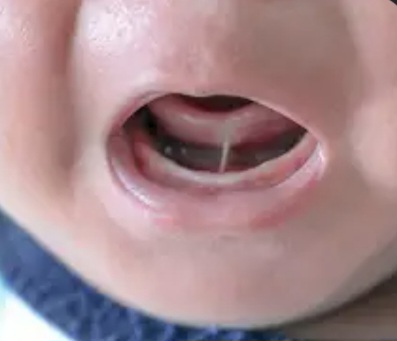
Under your baby's tongue is a small strip of tissue called the frenulum. It connects the tongue to the floor of the mouth. In some babies, that strip is shorter or tighter than usual, which can limit how far the tongue can move.
There are two main types:
Anterior tongue tie: the tissue is close to the tip of the tongue and is usually easy to see.
Posterior tongue tie: the tissue is further back, under the tongue. It's harder to spot and often needs a skilled eye to assess.
Why do babies have it?
This is the question I get asked most, and the honest answer is that we don't fully know. It's something babies are born with, and it can run in families. It isn't caused by anything you did or didn't do in pregnancy.You might wonder why it feels like everyone is talking about it now. Years ago, we simply didn't look for it. Many babies were never checked, and plenty of people have lived their whole lives with a tongue tie without ever knowing. Now we're better at noticing it, which is helpful, but it can also make it feel like a bigger deal than it always is.
Does it affect feeding?
Sometimes, but not always. This surprises many parents. Some babies have a tongue tie and feed beautifully. Others struggle. A tie on its own doesn't tell us how feeding will go. What matters is how your baby is actually feeding.
Things that might make you wonder:
Your baby struggles to latch or keeps slipping off the breast.
Feeds take a very long time, or baby seems frustrated and tired.
Clicking sounds during feeds.
Sore, cracked or misshapen nipples after feeding.
Baby isn't gaining weight as expectedLots of wind, or a very unsettled baby after feeds.
Remember, these signs can have other causes too, which is why a proper feeding assessment matters more than simply looking in your baby's mouth.
Not every baby needs treatment.
This is the part I most want you to hear. Not all babies with a tongue tie need it treated. If feeding is going well and baby is growing, there's usually no need to do anything.When feeding is a struggle and a tongue tie is thought to be part of the reason, a small procedure called a frenulotomy can help. A trained professional snips the tight tissue. It's quick, and babies usually settle fast and can feed straight afterwards. I work in the frenulotomy clinic at the hospital where I'm employed, and I'm there afterwards to support families with breastfeeding.
I can tell you that the snip is only part of the story. Babies often need time to learn to use their tongue differently, and parents need support while they do. Positioning, latch and patience all play a part.
Where to get help?
Ask your midwife, health visitor or GP for a feeding assessment. Look for an infant feeding specialist or lactation support in your area. Your local infant feeding team can advise on whether a referral is right for you.
When to call 111 or 999. Call 111 if your baby is feeding poorly, isn't producing enough wet or dirty nappies, seems very sleepy at feeds, or you're worried about weight loss.
Call 999 if your baby is struggling to breathe, is floppy or unresponsive, turns blue or grey around the lips, or you feel something is seriously wrong.Trust your instincts. You know your baby best.
A last word.
Tongue tie can feel like one more thing to worry about when you're already running on very little sleep. But with the right support, most families find their way through. Whether your baby needs treatment or not, you're doing a wonderful job.Be kind to yourself, ask for help early, and remember there's no shame in needing a hand.
Warmly,
Eva x
Eva Levinson is a part-time Postnatal Midwifery Assistant & Infant Feeding Specialist for the NHS, a Doula UK trained postnatal doula, and an Ofsted/HSE compliant first aid instructor. She runs And Chillax in Anerley, South London.