Newborn Safety · 10 minute read
Your Baby Looks Yellow? Here's What's Actually Going On
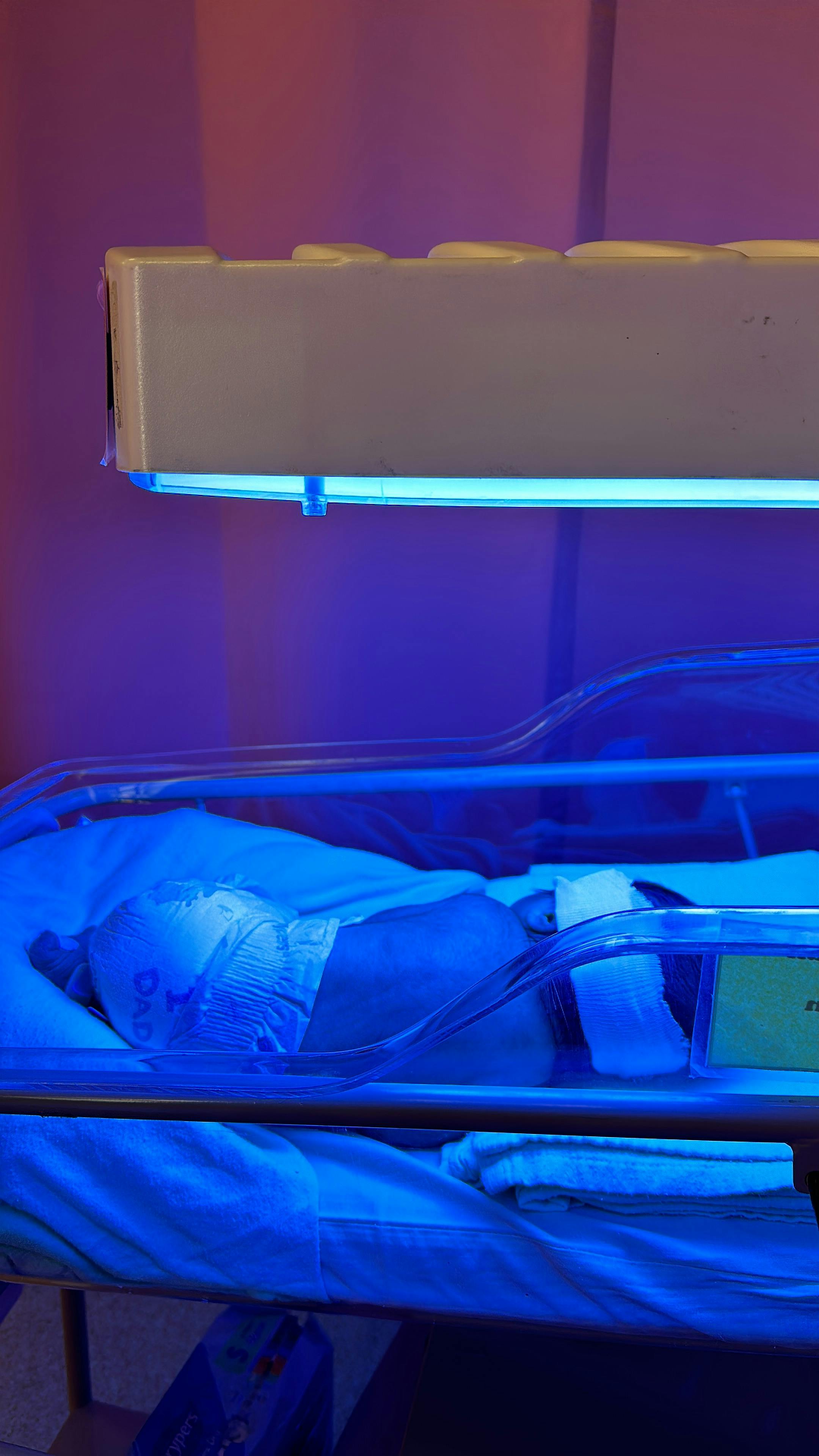
You've just brought your baby home, you're running on about forty minutes of sleep, and someone mentions your baby is looking a little yellow. Your heart sinks. What does that mean? Is something wrong? Take a breath. In most cases, jaundice is one of the most normal things a newborn can do. Let me explain what's going on. So what actually is it? When babies are born, they have a lot of extra red blood cells that their body no longer needs. As those cells break down, they release a yellow pigment called bilirubin. A newborn's liver is still brand new at its job, and sometimes it can't clear bilirubin fast enough — so it builds up in the skin and eyes, giving that golden or yellow tinge. It usually appears around day two or three, and in most babies, it clears on its own within a couple of weeks. Who's more likely to get it? Jaundice is more common in:
Premature babies — their livers need a little more time to get up to speed Babies born with bruising, for example after a ventouse (kiwi cup) or forceps delivery — more red blood cells break down from the bruising Babies with a different blood type to their mum — the body works harder to clear those cells Breastfed babies — feeding frequently is key, and in the early days when milk is establishing, some babies don't feed quite enough to flush bilirubin out
If your baby falls into one of these groups, midwives will already be keeping a close eye. What does it look like?
Yellowing of the skin — start by looking in natural light (not artificial lighting, which can mask it) Yellow whites of the eyes Sleepier than usual, harder to rouse for feeds Dark wee or pale chalky poo (less common, but important to mention if you see it)
Press gently on your baby's nose or forehead — if the skin looks yellow underneath, mention it to your midwife or health visitor. What's the treatment? For most babies, the answer is feed, feed, feed. Frequent feeding helps the gut move bilirubin out of the body. If you're breastfeeding, this is not the moment to cut back — it's the moment to feed more, with support if you need it. For higher levels, your baby may need phototherapy — special blue lights that help break down bilirubin through the skin. This is done in hospital and is very effective. It looks a bit dramatic, but babies tolerate it well and it works quickly. A myth worth busting: Putting your baby by a sunny window does not treat jaundice. Natural sunlight isn't the right wavelength, and it raises the risk of overheating. Please don't do this — it's one of those pieces of advice that's been passed down through generations but genuinely isn't safe or effective. When to get help Call your midwife or health visitor if:
Jaundice appears in the first 24 hours of life (this needs same-day review) It's spreading to the tummy, arms or legs Your baby is very sleepy and hard to wake for feeds You notice dark wee or pale/white poo Your gut is just telling you something isn't right
Call 999 or go to A&E if your baby becomes floppy, has a high-pitched cry, or you cannot wake them at all.
Jaundice can feel scary, especially when you're already exhausted and finding your feet. But you are not overreacting by asking questions — that's exactly what you should do. Trust your instincts, keep feeding, and lean on your midwife or health visitor. That's what they're there for. With love, Eva x
Eva Levinson is a part-time Postnatal Midwifery Assistant & Infant Feeding Specialist for the NHS, a Doula UK trained postnatal doula, and an Ofsted/HSE compliant first aid instructor. She runs And Chillax in Anerley, South London.